

Internet plans are sold like sports cars: the bigger the number, the better. But the honest question is not "what is the fastest?", it is "what does my household actually use?" Here is the math, in plain numbers.
What common activities really use
- HD video stream: about 5 Mbps per screen.
- 4K video stream: about 25 Mbps per screen.
- Video call: 3 to 8 Mbps each way, and the upload side matters as much as the download.
- Online gaming: under 10 Mbps, but very sensitive to latency, not bandwidth.
- Smart home devices: small individually, but a camera-heavy home can hold a steady 10 to 30 Mbps of upload.
- Large downloads and cloud backups: these will happily use every megabit you give them.
Add it up, then add headroom
Picture a busy weeknight: two 4K streams (50 Mbps), a video call (8), someone gaming (10), music in the kitchen (2), and a phone syncing photos in a closet somewhere (25 up). That household peaks around 70 Mbps down. So a 100 Mbps plan is enough, right?
On paper, yes. In practice, plans sized exactly to your peak feel slow, because peaks stack. The game update arrives during movie night. The laptop decides to back itself up during your standup. Wi-Fi overhead shaves a slice off everything. A comfortable rule: take your realistic peak and double it. Congestion you never notice is the entire point of paying for speed.
When multi-gig makes sense
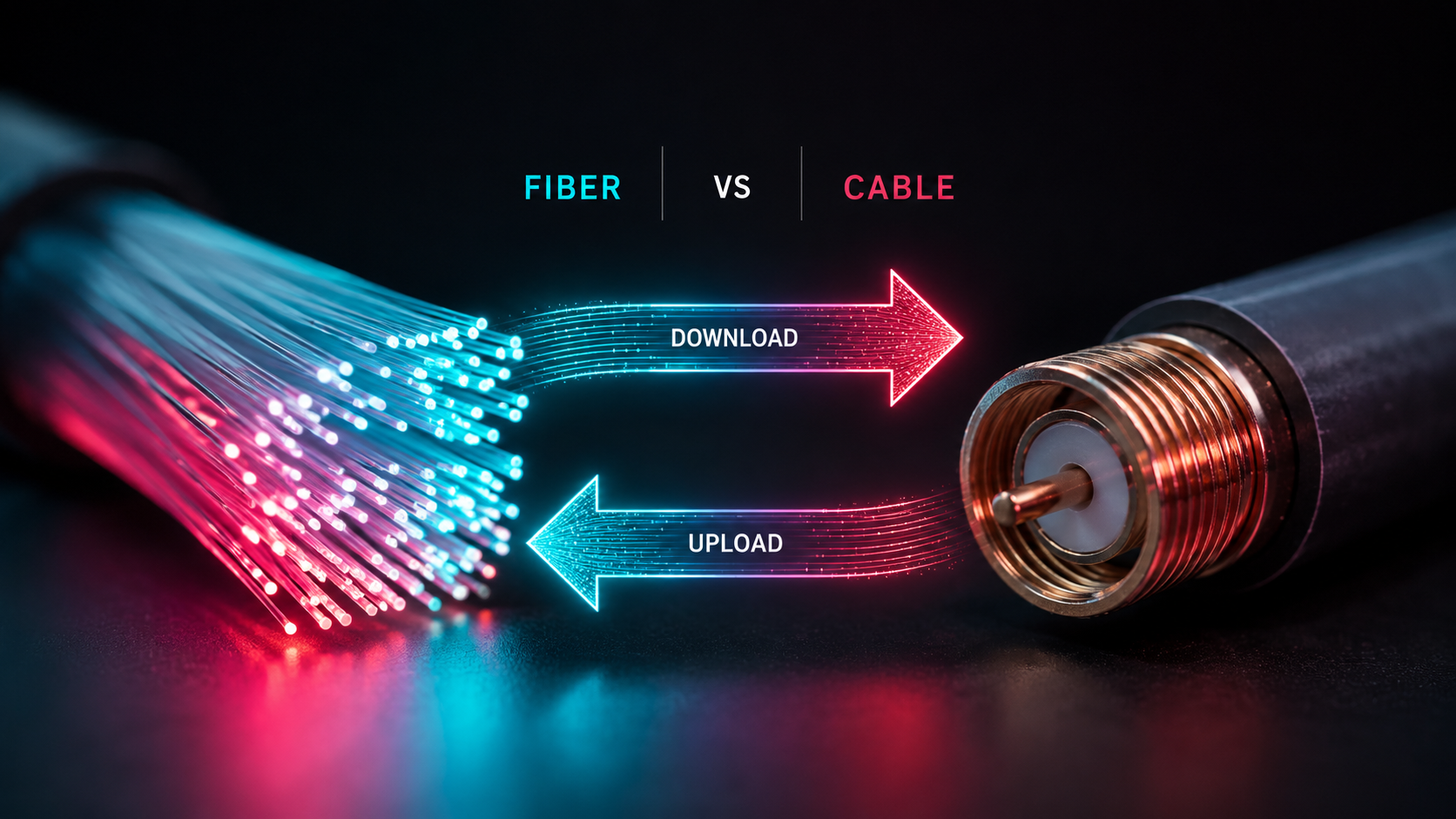
For a single apartment with two streams and a laptop, 300 to 500 Mbps of fiber is genuinely plenty. Multi-gig earns its keep when the household is bigger than its numbers suggest: several remote workers moving large files, creators uploading video, a house full of teenagers, or simply wanting downloads measured in seconds instead of minutes. On symmetrical fiber the upload comes along for the ride, which is where cable plans at the same price quietly cap out.
The short answer
Count your simultaneous screens and calls, double the total for headroom, and make sure the upload number matches the download number. If the plan you are looking at will not publish its upload speed, that silence is the answer. Fiber has nothing to hide: it ZOOMS in both directions.